
variety of tempered glass
How to Turn Off the Water Valve A Step-by-Step Guide In any household, knowing how to turn off the water valve can be a crucial skill. Whether you are dealing with a leak, preparing for plumbing repairs, or dealing with an emergency situation, having the ability to shut off the water supply can save you time, money, and prevent further damage. This article will guide you through the process of locating and turning off your water valve, as well as provide some useful tips for maintaining your plumbing system. Understanding the Water Valve The water valve is a crucial component of your plumbing system. It controls the flow of water into your home and is typically located near the main water line. In many cases, there are two main types of water valves you should be aware of the main shut-off valve and individual fixture shut-off valves. The main valve controls the water supply to your entire home, while individual fixture shut-off valves are located near sinks, toilets, or appliances. Locating the Main Water Shut-Off Valve Before you experience a plumbing issue, it’s essential to know where your main shut-off valve is located. Common places include 1. Basement or Crawl Space In many homes, the main valve is situated in the basement or a crawl space close to where the water line enters the house. 2. Outside Some homes have their main shut-off valve located outside, often in an underground pit or in a box near the foundation. 3. Utility Room In certain houses, the valve may be found in a utility room where the water heater and other plumbing fixtures reside. Turning Off the Water Valve Once you’ve located your main shut-off valve, turning it off is a straightforward process 1. Identify the Type of Valve The two most common types of valves are gate valves and ball valves. A gate valve typically has a round or oval handle, while a ball valve has a lever-style handle. 2. For a Gate Valve To turn off a gate valve, you will need to turn the handle clockwise until it stops . It may require some effort, especially if it hasn’t been turned in a long time. turn off water valve 3. For a Ball Valve Simply turn the lever perpendicular to the pipe. A 90-degree turn should close the valve completely. After shutting off the valve, you may want to open some faucets in your home to relieve pressure in the pipes and ensure the water supply is fully turned off. Individual Fixture Shut-Off Valves In addition to the main shut-off valve, familiarize yourself with the shut-off valves for individual fixtures. These are particularly useful for small leaks or repairs without turning off the water for the entire house. They are typically located - Under Kitchen and Bathroom Sinks Look for small valves attached to the water pipes. - Behind Toilets Most toilets have a valve on the wall or floor near the base. To turn these off, simply twist the valve handle clockwise until it stops. What to Do After Turning Off the Water After you’ve successfully shut off the water, it’s essential to assess the situation - Check for Leaks Inspect the area for any ongoing leaks or damages. - Make Necessary Repairs Whether it’s patching a leak or replacing a fixture, now is the time to address plumbing issues while the water is off. - Consider Professional Help If you are unsure about the severity of the problem or the repairs needed, call a professional plumber for assistance. Maintenance Tips To ensure your water valve functions properly when you need it, perform regular maintenance - Test Your Valves Regularly Exercise your valves every few months by turning them on and off. This helps prevent them from seizing up. - Inspect for Corrosion Look for any signs of rust or damage, particularly on older valves, and replace them if necessary. - Know Your Plumbing System Understanding your plumbing layout will make it easier to locate and operate the valves in emergencies. In conclusion, knowing how to turn off the water valve in your home is an invaluable skill. Whether you're preparing for repairs or handling emergencies, being proactive and equipped with knowledge can prevent stress and costly damages. Make it a habit to familiarize yourself with your plumbing system, and you’ll be better prepared for any situation that arises.
about
variety of tempered glass
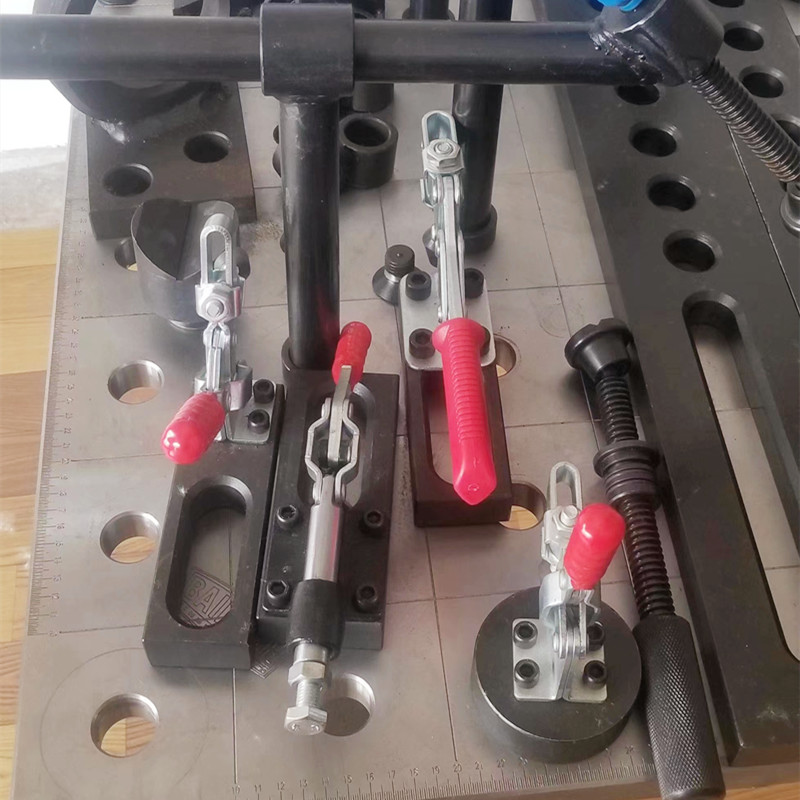
The Mini Welding Table A Essential Tool for DIY Enthusiasts In the realm of DIY projects and metalworking, a mini welding table serves as an indispensable tool for hobbyists and professionals alike. Compact and versatile, these tables are designed to provide a sturdy surface and essential features that enhance the welding experience while accommodating limited space. One of the primary benefits of a mini welding table is its size. Many enthusiasts work in garages, workshops, or small spaces where larger tables are impractical. Mini tables typically measure around 2 to 4 feet in length and width, making them perfect for tight workspaces. Their compact design allows users to set up a welding station without overwhelming the area, thus elevating productivity and creativity. Despite their smaller dimensions, mini welding tables are engineered to withstand the rigors of heavy-duty welding . Constructed from robust materials like steel or aluminum, they provide a stable and reliable platform for various welding tasks, including MIG, TIG, and stick welding. Many models also feature reinforced legs and adjustable heights, enabling users to find their perfect working posture, thus reducing fatigue during longer projects. mini welding table Another significant advantage of mini welding tables is their portability. Many of these tables are lightweight and include features such as foldable legs or carrying handles. This mobility allows DIY enthusiasts to transport their welding stations to different locations, whether it’s for a project at home, a workshop, or even outdoor events. The convenience of portability extends the versatility of mini welding tables, making them suitable for a range of tasks beyond just welding. Furthermore, mini welding tables often come equipped with various accessories and features to aid users. Some tables include built-in clamps, tool holders, or storage compartments, keeping essential tools within reach and organized. Others come with a fire-resistant surface or integrated work lights, ensuring safety and enhancing visibility while working. In terms of versatility, mini welding tables can be utilized for numerous applications beyond metal fabrication. They are ideal for project assembly, metal cutting, or even as a general workbench for crafts. This multifunctionality makes mini welding tables a savvy investment for anyone passionate about working with metal or engaging in various DIY projects. In conclusion, the mini welding table is a valuable addition to any workshop, providing unparalleled convenience, versatility, and robustness in a compact form. For anyone interested in metalworking, having a dedicated and efficient space to work on projects can greatly enhance the overall experience, leading to better results and greater satisfaction. Whether you are a seasoned professional or a beginner enthusiast, a mini welding table is sure to elevate your craft.
-

High quality industrial productsagement

High quality industrial products
View Details -

Meet the diverse needs of customers

Meet the diverse needs of customers
View Details -

Strict quality control

Strict quality control
View Details -

Top raw materials

Top raw materials
View Details -

Trusted supplier

Trusted supplier
View Details
Our application


news and information

Versatile 4x4 Welding Table for Efficient Metal Fabrication and Assembly
The Versatility and Utility of a 4x4 Welding Table In the world of metalworking and fabrication, hav

Water Line Valve - Essential Solutions for Efficient Water Management
Understanding Water Line Valves Key Components in Plumbing Systems Water line valves play a crucial
waterleidingklep
Waterlijnklep Een Cruciaal Element voor Efficiënt Beheer van Waterlopen Een waterlijnklep, of waterl
 English